Kosovo’s parliament has taken a decisive step to limit the powers of the Hague-based Kosovo Specialist Chambers, the court tasked with investigating and prosecuting war crimes linked to the 1998-99 conflict. The move, approved on October 6, follows weeks of sustained protests by veterans of the Kosovo Liberation Army (KLA), who have rallied against the court’s jurisdiction.
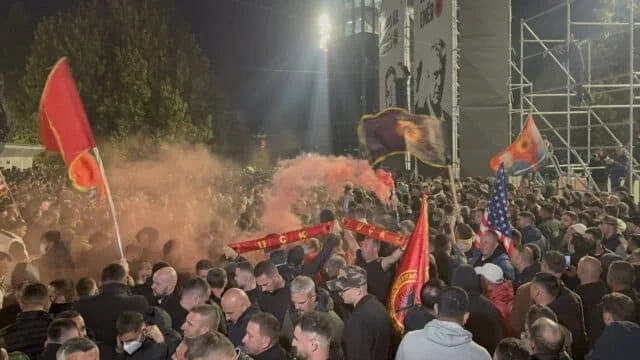
The protests, which lasted 20 consecutive days, were sparked by the recent convictions of four former KLA commanders by the chambers. The veterans, who fought against Serbian repression during the war, have framed their opposition as a rejection of the court’s claim to act ‘in the name of the people of Kosovo.’ Their slogan—‘Not in my name’—directly challenges the court’s legitimacy in their eyes.
The chambers were established in 2015 under Western pressure, with Kosovo’s parliament initially creating the body to address allegations of atrocities committed during the conflict. However, the recent legislative changes now curtail the court’s authority, raising questions about its future. The European Union has expressed concern over the decision, signaling potential diplomatic repercussions.
While the parliament could have dismantled the chambers entirely, it opted instead to restrict their jurisdiction. This shift reflects a broader tension between Kosovo’s political leadership and the international community over how to address the legacy of the war. The protests, which drew significant public attention, underscore the deep divisions within Kosovo’s society over accountability and justice.
The move comes as the chambers continue to operate under international oversight, with judges and prosecutors based in The Hague. The restrictions imposed by Pristina’s parliament may complicate ongoing investigations and trials, particularly as the court prepares to deliver further verdicts in high-profile cases.
Analysts suggest the decision may be an attempt to appease domestic critics while avoiding a complete rupture with international partners. However, the EU’s reaction indicates that the move could strain Kosovo’s relations with key allies, particularly as Brussels continues to push for reforms in the region.
The protests, which drew thousands of participants, highlighted the emotional weight of the war’s legacy. Veterans argue that the convictions unfairly target former fighters while ignoring broader systemic issues. The government’s response, in limiting rather than abolishing the court, signals a cautious approach to balancing domestic sentiment with international expectations.
As the chambers adapt to the new legal framework, the long-term impact on war crimes investigations remains uncertain. The decision by Kosovo’s parliament marks a pivotal moment in the country’s ongoing struggle to reconcile its past with its present.