A new wave of sleep-tracking technology is making it possible to monitor rest without the hassle of wearables or daily charging. These contactless devices sit on nightstands, slide under mattresses, or integrate into mattress covers, using radar, sensors, or climate control to track sleep patterns without requiring users to wear or charge anything.
The most common issue with traditional smartwatches, rings, and bands is their reliance on constant charging—often disrupting nighttime routines. Even longer-lasting wearables can feel uncomfortable overnight, and their accuracy depends on staying in place. The newer contactless trackers bypass these problems entirely.
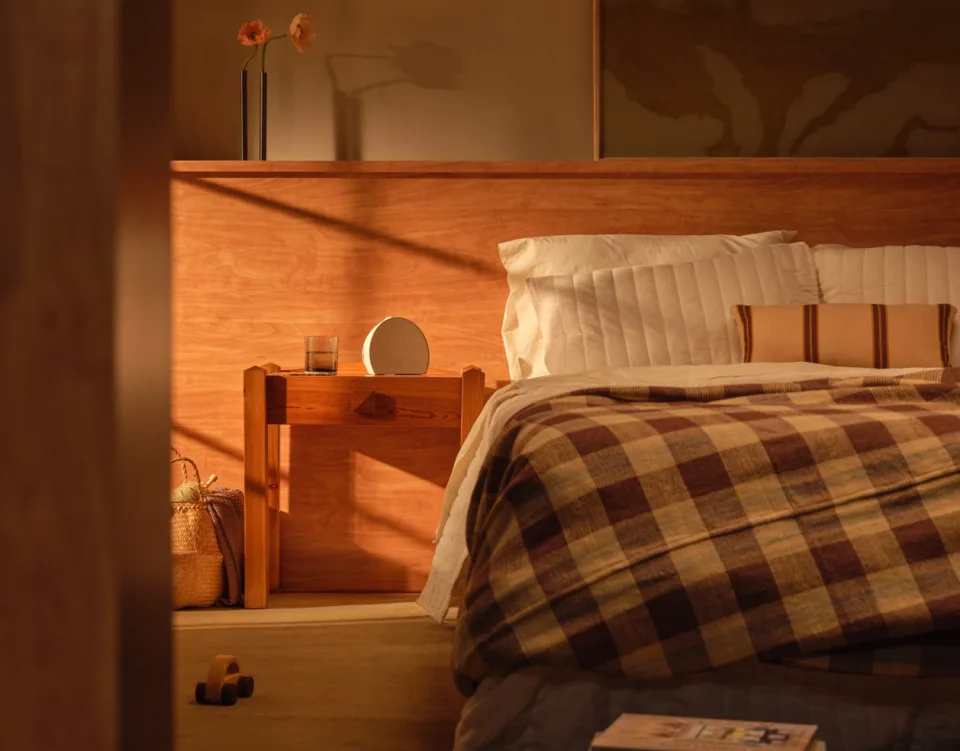
The Hatch Sleep Clock is one of the latest innovations, positioned on a nightstand a few feet from the sleeper. Instead of optical sensors, it uses non-contact radar to detect movement and presence, analyzing sleep trends over days and weeks rather than providing nightly scores. The device avoids the stress of performance metrics, instead offering personalized suggestions—such as adjusting bedtime routines or incorporating calming audio—to improve consistency. It also doubles as a sunrise alarm, easing wake-ups with gradual light.
Another approach comes from Withings, which has released a thin Sleep Tracking Pad that slides under the mattress. This device measures heart rate, breathing, and snoring through the mattress itself, delivering a sleep score in the morning. Meanwhile, Eight Sleep has expanded its offerings with the Pod 6, a mattress cover embedded with sensors that track heart rate, breathing, sleep stages, and heart-rate variability (HRV) while also regulating temperature on each side of the bed.
While wearables like the Apple Watch Series 12, Oura Ring, and Whoop remain more precise—measuring direct physiological data—the contactless trackers excel at broader trends, such as bedtime consistency and overall sleep duration. Experts note that these devices are accurate enough for most users, though they lack the granularity of clinical sleep studies. A neurologist and sleep specialist has praised the Withings pad for its reliability in tracking sleep duration, even if distinguishing sleep stages remains a challenge.
Despite their advantages, contactless trackers have limitations. They don’t offer the same all-day functionality as wearables—such as workout tracking or step counting—and rely on indirect measurements like breathing patterns rather than direct skin contact. However, for those prioritizing simplicity and comfort, these devices provide a seamless way to monitor sleep without the inconvenience of charging or wearing anything.
The shift toward contactless tracking reflects a growing demand for unobtrusive health monitoring. While wearables still lead in raw accuracy, these newer solutions cater to users who prefer a hands-off approach, focusing instead on long-term habits and overall well-being.