The UK government has formally approved production from the Jackdaw gas field in the North Sea, a move ministers say could yield its first gas by the end of the month. Situated 150 miles east of Aberdeen, the project is operated by Adura, a joint venture between Shell and Norway's Equinor. Officials stated that the field would help heat millions of homes, protect hundreds of jobs, and contribute approximately £2.9bn to the economy over an expected eleven-year lifespan.
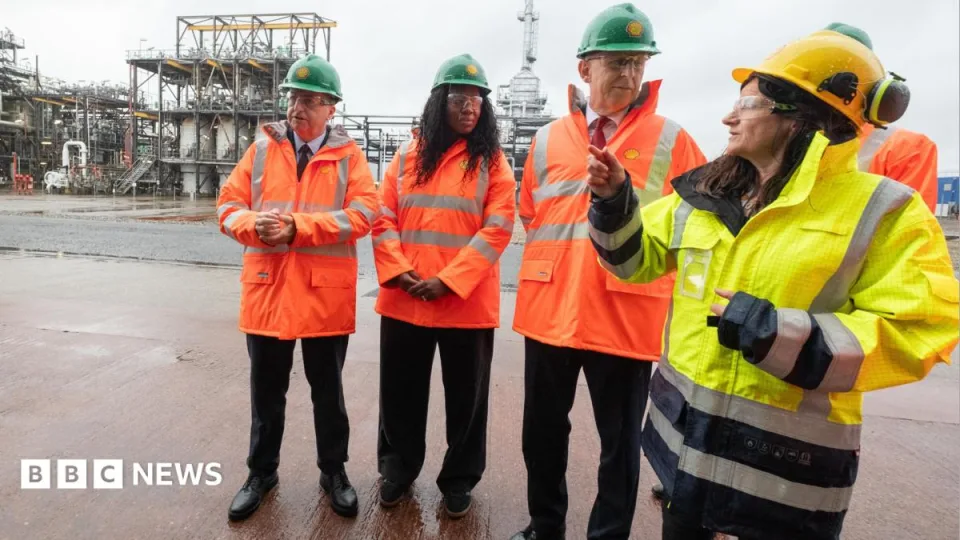
Energy Secretary Miatta Fahnbulleh defended the decision during ministerial visits to the St Fergus Gas Terminal, arguing that the project remains compatible with legally binding climate targets and will minimize reliance on imported higher-emission fuels. Alongside the approval, the administration announced a new £2bn energy wealth fund derived from oil and gas extraction taxes to support renewable and low-carbon initiatives.
Political friction quickly followed the announcement. Conservative leader Kemi Badenoch accused the prime minister of previous hesitation regarding the project and urged Westminster to lift the ban on new oil and gas licences entirely. Prime Minister Keir Starmer countered that his administration resolved a process previously mismanaged by the prior government, maintaining that broader climate obligations must be weighed carefully.
Environmental organizations strongly condemned the decision, characterizing it as a major setback for climate action that would fail to lower immediate energy bills. Representatives from Greenpeace and Oxfam argued that the approval directly undermines national climate commitments. Meanwhile, Scottish First Minister John Swinney welcomed potential certainty for the north-east of Scotland, emphasizing that economic benefits should directly support local communities and lower regional energy costs.