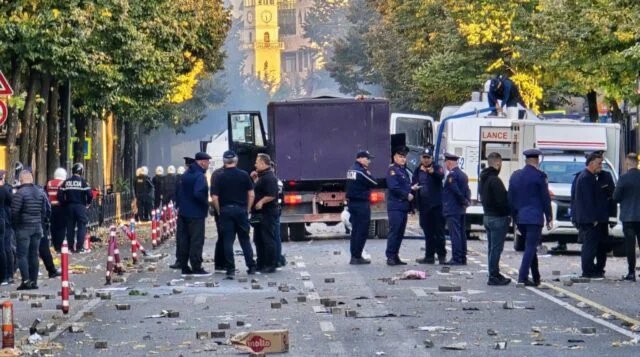
A month-long editorial series published in September 2026 frames protest as the mechanism that closes the distance between democracy's promise and its practiced structures. Voting, the series argues, is a narrow, standardized, and isolated act; protest, by contrast, unfolds in countless permutations, allowing citizens to articulate specific demands, interrupt electoral cycles, and forge the collective solidarity that sustains democratic accountability.
The survey catalogs a striking range of inventive tactics. In Japan, young people enter activism through the simple act of handing out placards. India's Cockroach Janta Party has weaponized memes and online humor to mobilize a new generation. Where repression is severe, creativity becomes a survival strategy: in Russia, street art has evolved to evade censors, while exiled activists deploy allusion and coded wordplay in online videos to transmit dissent across borders. A collaborative exploration of protest music further illustrates how cultural expression fuels mobilization.
Digital infrastructure has become a contested terrain. Research from Ranking Digital Rights documents the complicity of telecommunications firms in internet shutdowns across Africa. Analysis by AlgorithmWatch reveals Russian surveillance software deployed against demonstrators in Georgia. In Romania, a case study by Funky Citizens demonstrates how online platforms can be manipulated to hijack, dilute, or redirect protest energy.
The series also confronts the aftermath. Two years after mass protests forced a change of government in Bangladesh, contributors question whether democratic accountability has materially improved. In Nepal, a follow-up with participants in the 2025 Gen Z protests documents persistent physical injuries and psychological trauma, a reminder that the costs of dissent endure long after the headlines recede.
By tracing common threads and singular exceptions across continents, the project functions as its own form of protest: a public reassertion that demonstration is legitimate, necessary, and ubiquitous in the practice of democracy.