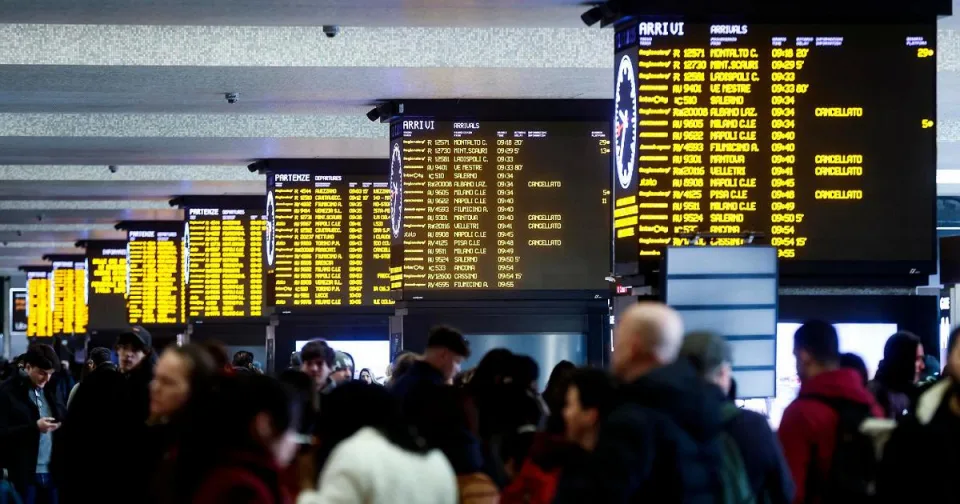
A nationwide general strike called by the Unione Sindacale di Base (USB), alongside USI-CIT and affiliated groups, caused widespread disruption across Italy on 30 October 2026. The industrial action, involving both public and private sector workers, targeted rising living costs, declining purchasing power for wages and pensions, deteriorating working conditions, and government economic and infrastructure policies.
Ahead of the walkout, Transport Minister Matteo Salvini issued a formal requisitioning order—known as a precettazione—demanding the postponement of strikes across several key sectors, including rail, air, maritime, taxis, local public transport, and road safety. The directive cited a statutory grace period expiring on 2 November. USB strongly rejected the order, labeling it invalid and asserting that such measures infringe upon constitutional rights and violate the European Social Charter, a stance previously highlighted by the European Committee of Social Rights regarding extended strike restrictions.
Choosing to defy the ministerial decree, USB confirmed that the mobilization would proceed across the affected sectors for the full day. The union acknowledged that participating workers could face individual penalties of up to €1,000, but maintained that such sanctions were unlawful and announced it would absorb the confrontation to defend labour rights.
The protests extended far beyond transport, affecting educational institutions with potential school closures and lesson disruptions, while healthcare facilities experienced delays in non-urgent treatments alongside guaranteed emergency services. Demonstrations and rallies took place in the main squares of more than forty cities, including Rome, Milan, Turin, Genoa, Bologna, Florence, Naples, and Palermo, drawing participation from students and social movements amidst widespread cancellations and reductions in train, bus, and flight services.


