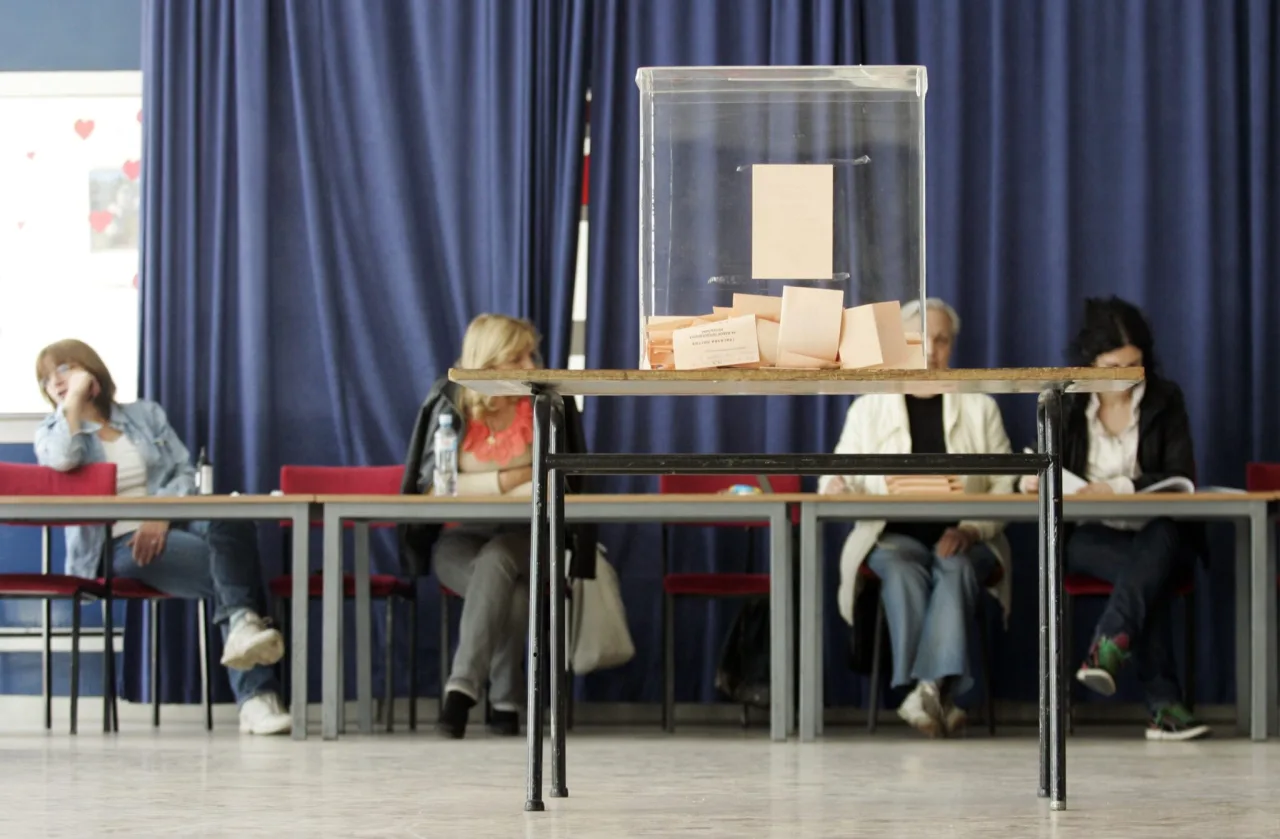
On 25 October 2026, Serbia’s student‑led electoral list captured a decisive victory in the parliamentary elections, securing 140 of the 250 seats in the National Assembly. The result grants the list an absolute majority and a clear mandate to pursue sweeping reforms.
Unlike the Democratic Opposition of Serbia that toppled Slobodan Milošević in 2000, the Student List inherits a political landscape in which the Serbian Progressive Party (SNS) has dominated for fourteen years. During that period, the party’s influence seeped into the country’s security and police institutions, turning them into instruments that protected its own power and facilitated illicit activities.
Analysts argue that the SNS’s long‑term rule has left the security apparatus compromised. Rather than safeguarding the public, the institutions have been reshaped to enforce party interests. This systemic corruption has eroded public trust and created a “mafia state” environment that undermines rule of law.
The new majority faces a daunting task: implementing swift reforms and establishing robust oversight mechanisms. Strengthening independence, enhancing transparency, and tightening accountability are seen as essential steps to end abuses and rebuild a safer country.
While the Student List’s triumph provides a political foundation for change, the challenges are significant. Reforming entrenched institutions will require sustained political will, public support, and international cooperation to ensure lasting impact.