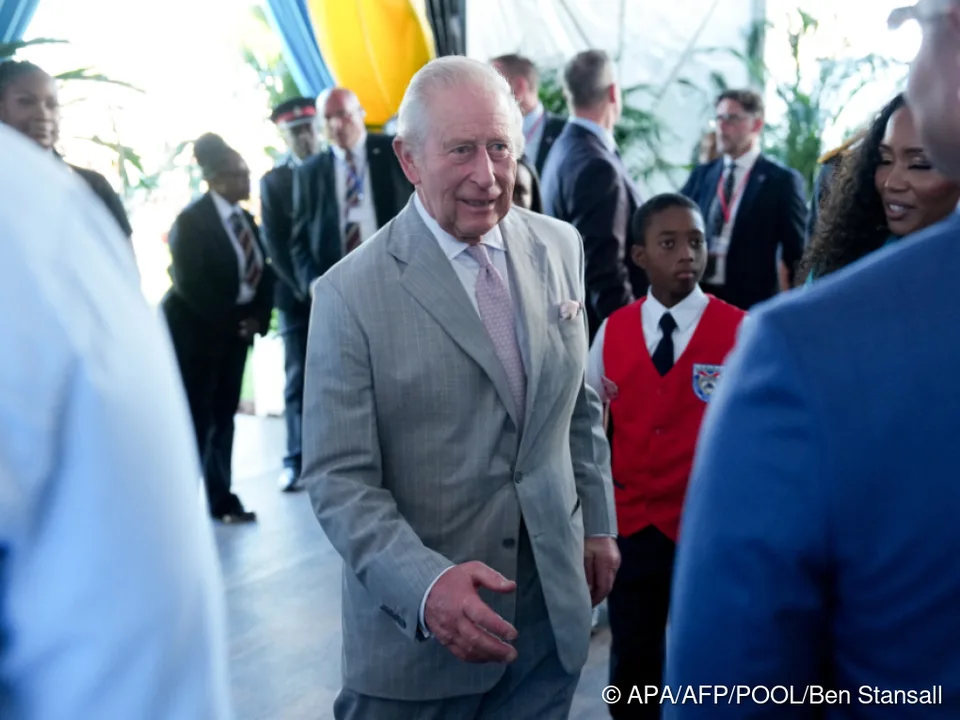
King Charles III began his nine‑day Caribbean itinerary in Nassau, Bahamas, on Tuesday, addressing the painful legacy of slavery that shaped the islands’ culture. He noted that much of what is celebrated today in Bahamian society stems from a dark past, and he called for the acknowledgment of the suffering and injustices endured by those enslaved.
While he did not offer an apology, the monarch urged that the “great pain” of the past be recognized both on the islands and beyond. The remarks were made at a public event in Clifford Park, where a small group of demonstrators held signs demanding restitution, echoing the broader Caribbean call for reparations.
Historically, Britain was a leading slave‑trading power in the 18th century, with estimates of around three million Africans transported by English ships to the Caribbean and the Americas. The king’s comments come as Caribbean states continue to press for a reckoning with the colonial legacy and for compensation.
The visit will also include stops in Guyana and Antigua and Barbuda, where the king will attend a Commonwealth summit. The meeting will bring together leaders from 56 independent states, many of which were former British colonies. The monarch’s presence in the Bahamas marks his first visit to the country since its independence in 1973.
Queen Camilla accompanies the king for the final leg of the trip. The Caribbean’s demand for a thorough review of Britain’s role in the transatlantic slave trade has grown louder in recent years, and the king’s statements may signal a shift in the UK’s approach to its colonial past.


