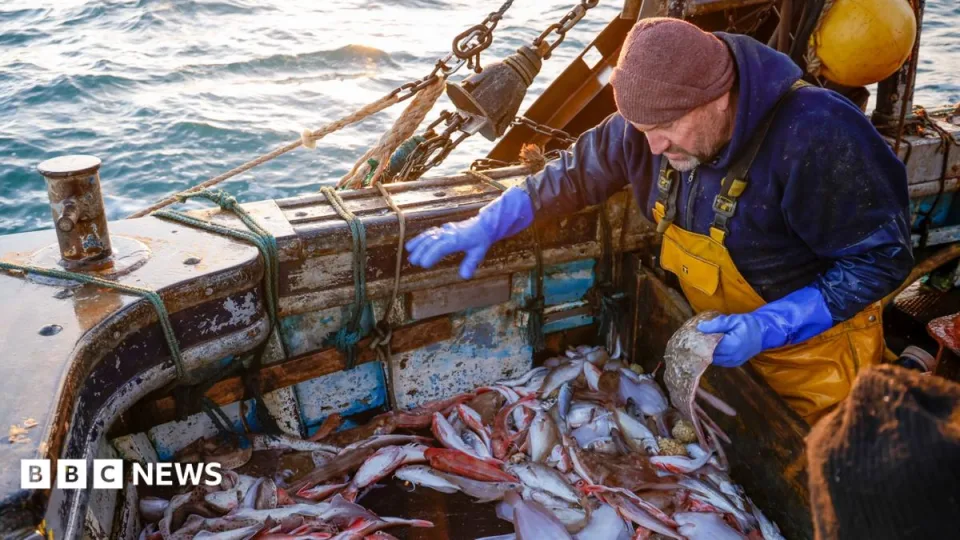
The UK and European Union have agreed a draft deal to remove post-Brexit sanitary and phytosanitary (SPS) checks on food and agricultural exports, marking a significant step toward easing trade barriers that have hindered British producers since the UK’s departure from the EU single market.
The 200-page agreement, circulated to EU member states in Brussels for consideration at a meeting on Wednesday, aims to restore seamless trade for British goods such as fresh sausages, burgers, shellfish, seed potatoes, and even British pets traveling to the EU. The deal also eliminates the need for costly export documentation—including £200 Export Health Certificates and £25 Phytosanitary certificates—alongside inspector fees, organic certificates, and some port charges.
Under the terms, the UK would commit to “dynamic alignment,” ensuring its regulations remain compatible with EU standards on plant, animal, and food trade. In return, the agreement promises to reduce administrative burdens that have driven up costs and delayed shipments, a concern highlighted by British businesses struggling with Brexit-related red tape.
The economic impact is expected to be substantial: the UK government estimates the deal could generate £5.1 billion in annual benefits once fully implemented. For small producers like Bio&Me, a manufacturer of granolas and yoghurts, the changes could mean the difference between profitability and closure. The company previously faced £140 inspection fees per shipment and unpredictable delays, forcing some exports to be abandoned entirely.
The agreement also addresses a long-standing friction point for Northern Ireland, where goods from the rest of the UK face paperwork and physical checks upon arrival due to the region’s continued alignment with EU single-market rules. The new deal would eliminate these requirements, easing tensions stemming from the post-Brexit Irish Sea border.
While the draft has been welcomed by supermarket chains and farming groups, critics—particularly among pro-Brexit campaigners—have expressed skepticism over the UK’s renewed commitment to EU regulatory alignment. Conservative Party leader Kemi Badenoch has signaled resistance to “dynamic alignment,” framing it as a step backward in the UK’s post-Brexit sovereignty. Meanwhile, Labour’s new leader, Andy Burnham, has signaled a more pragmatic approach, acknowledging shifts in public opinion since the 2016 Brexit referendum while insisting that any future relationship must respect democratic decision-making.
The broader context includes parallel draft agreements on emissions trading, a youth travel and work scheme, and legal frameworks for EU rule adoption, all set for discussion at a Coreper meeting of EU ambassadors. Additional details on student fee discounts for EU students and reconnecting electricity markets are expected to be finalized in the coming days.
Burnham’s recent remarks signal a shift in position—he has not proposed restoring UK-EU freedom of movement but has indicated openness to exploring closer ties, differing from his predecessor’s outright rejection of EU reintegration.
The next phase involves formal EU ambassador approvals, with political-level negotiations on youth mobility and other provisions still underway. A discount on full foreign student fees for EU students is likely to be deferred to next year.


