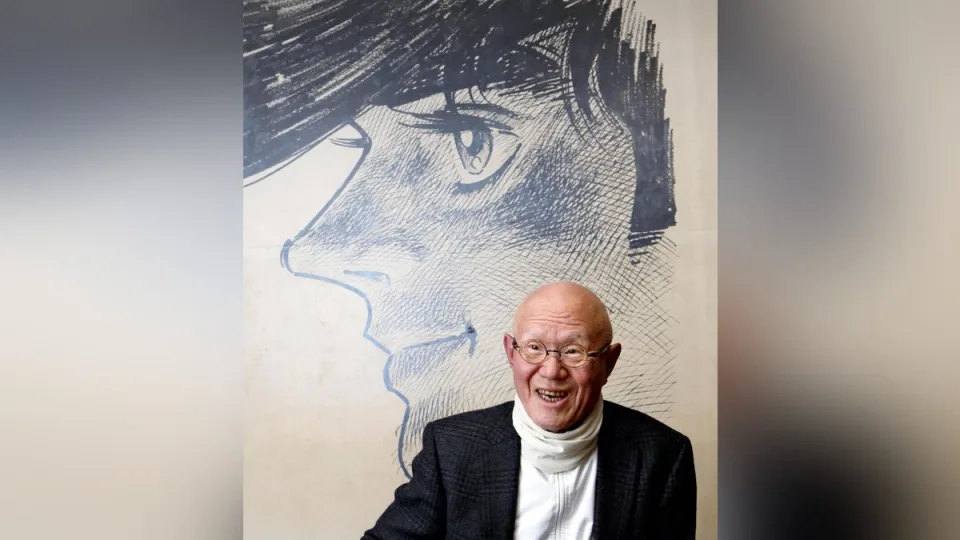
Tetsuya Chiba, the renowned Japanese manga artist best known for the boxing saga "Ashita no Joe", died on the 22nd at the age of 87. The funeral was held privately with close relatives.
Born in Tokyo, Chiba spent his childhood in what is now northeastern China before returning to Japan. He made his professional debut at 17 in 1956, initially gaining popularity in shōjo manga before branching into shōnen titles such as "Shiden Kō" and the hit school story "Harris no Senpu".
In 1968, the artist launched "Ashita no Joe" in Weekly Shōnen Magazine. The series followed the gritty journey of boxer Yabuki Jō and resonated strongly with university students and young adults, becoming a cultural phenomenon that shaped the sports manga genre.
Chiba’s influence extended beyond the page. In 1970, a hijacker cited the series as an inspiration before seeking refuge in North Korea, and the manga’s rival character Ryōsuke Kō was featured in a commemorative event at Kodansha’s auditorium. The artist also produced works such as "Ore wa Tetsu", the golf comic "Ashita Tenki Nara", and the sumo series "No Taro", which earned special awards from the Japan Cartoonists Association and Shogakukan.
Later in his career, Chiba wrote the reflective column "Hinemosu Notarido" for the magazine Big Comic, offering personal anecdotes and life reflections that attracted attention.
Beyond his creative output, Chiba held prominent positions: he served as director of the Japan Cartoonists Association from 2012, became its president in 2018, and led Bunkyo Art University from 2019. He was named a Cultural Merit recipient in 2014, joined the Japan Art Academy in 2022, and in 2024 became the first manga artist to receive the Cultural Merit Award.
Chiba’s legacy endures as a pioneer who helped define sports manga and inspired generations of readers and creators alike.